We conduct fieldwork across temperate and northern catchments, collecting water, sediment, and soil samples from ponds, lakes, and rivers for laboratory analysis. We also collaborate with local communities to address water quality issues in environments undergoing climate and land-use change.
Since 2019, our field program has been sustained by substantial external support: $330K from the Polar Continental Shelf Program (aircraft and Arctic logistics), $110K from the Northern Research Supplement, $282K in institutional support, and $40K from the Northern Scientific Training Program, a combined investment of over $760K in northern fieldwork infrastructure.
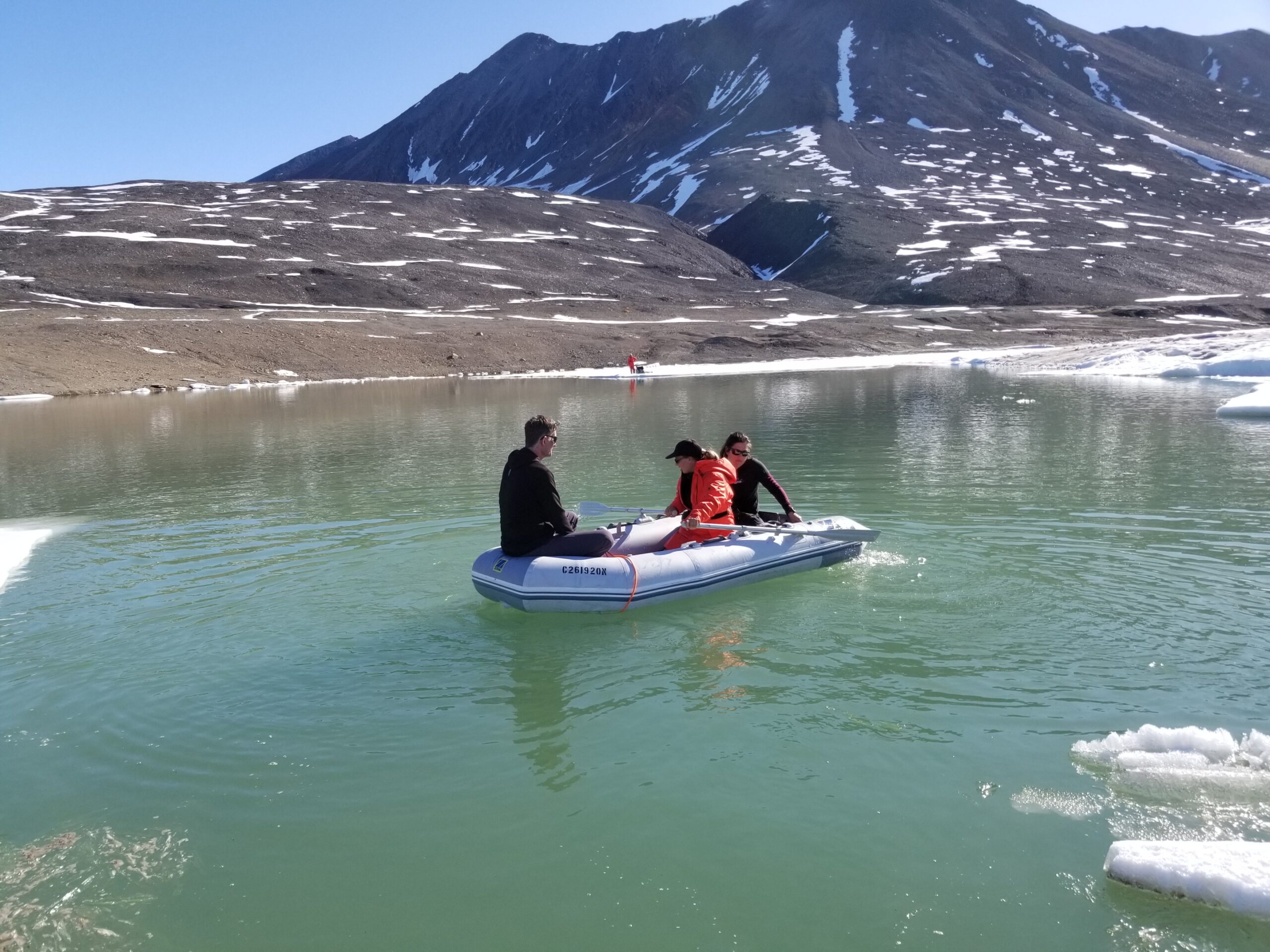

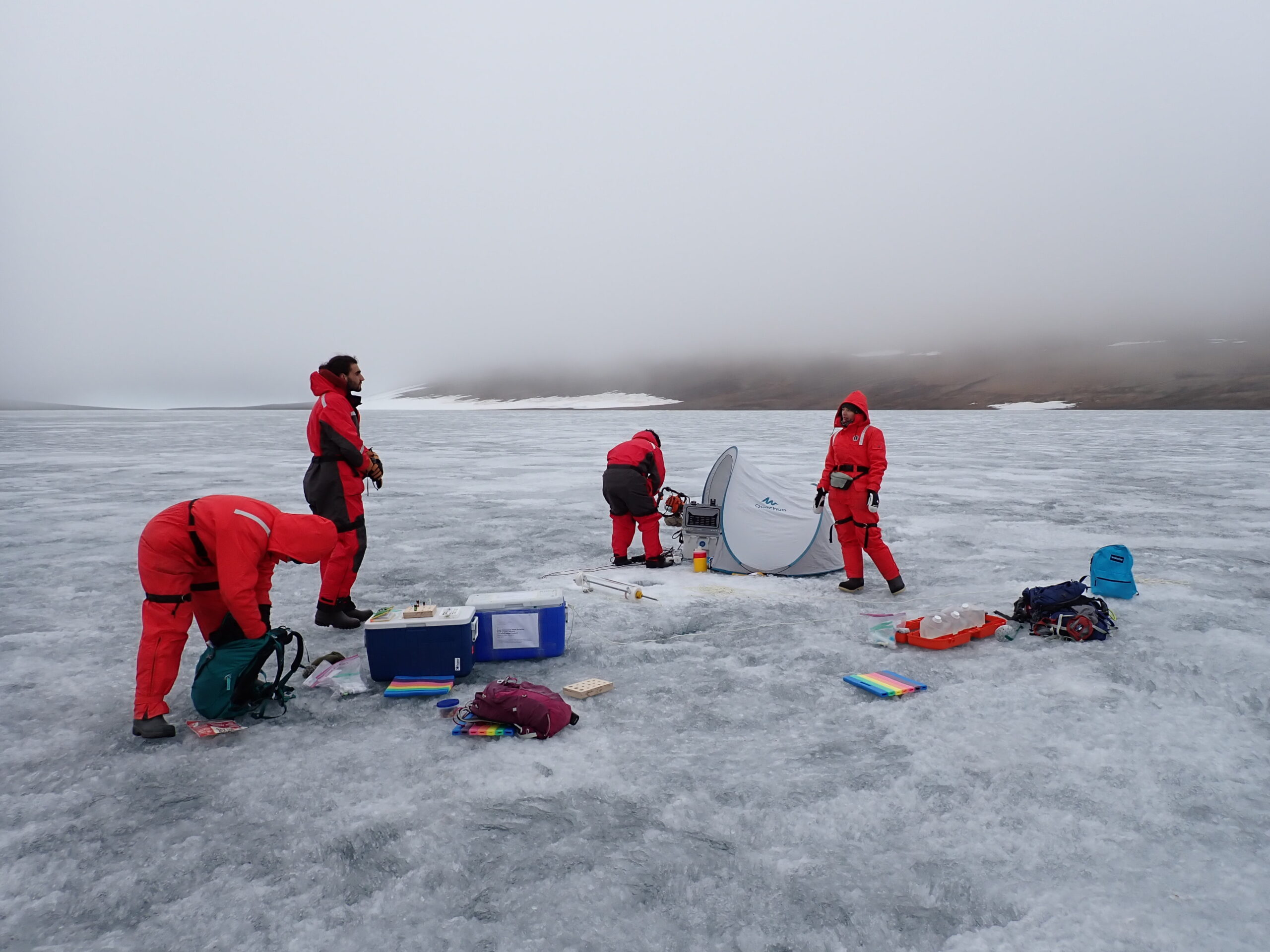
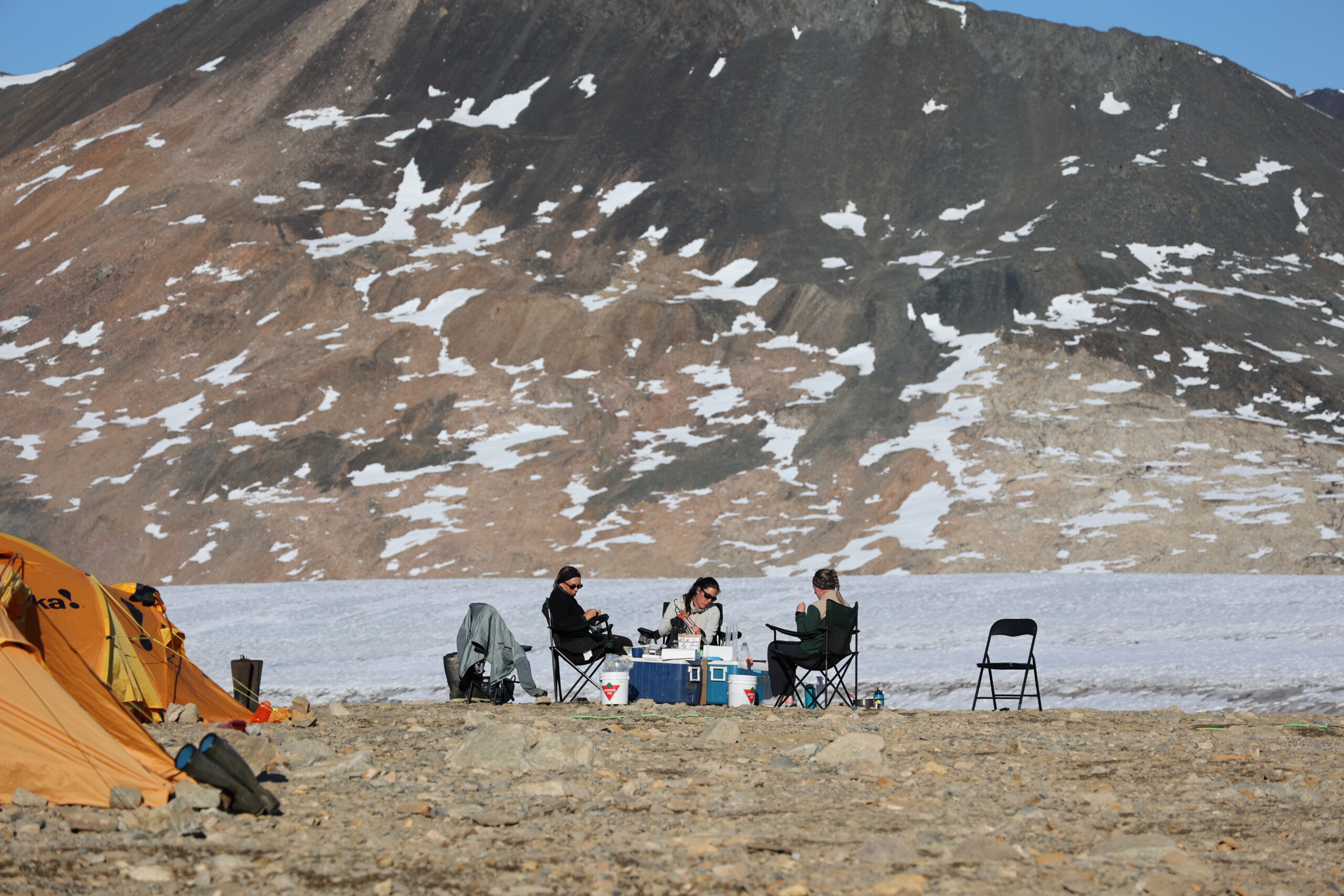

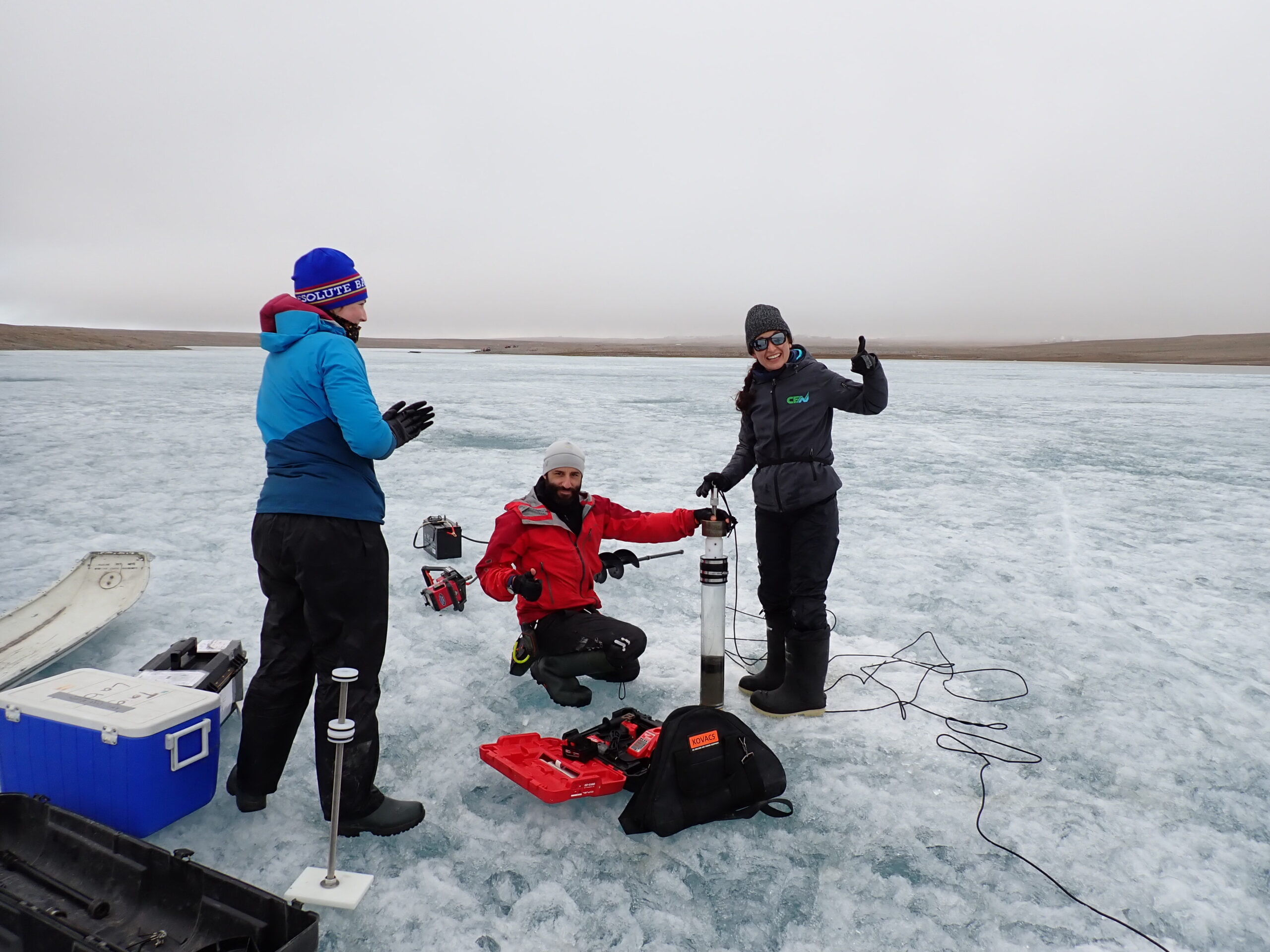
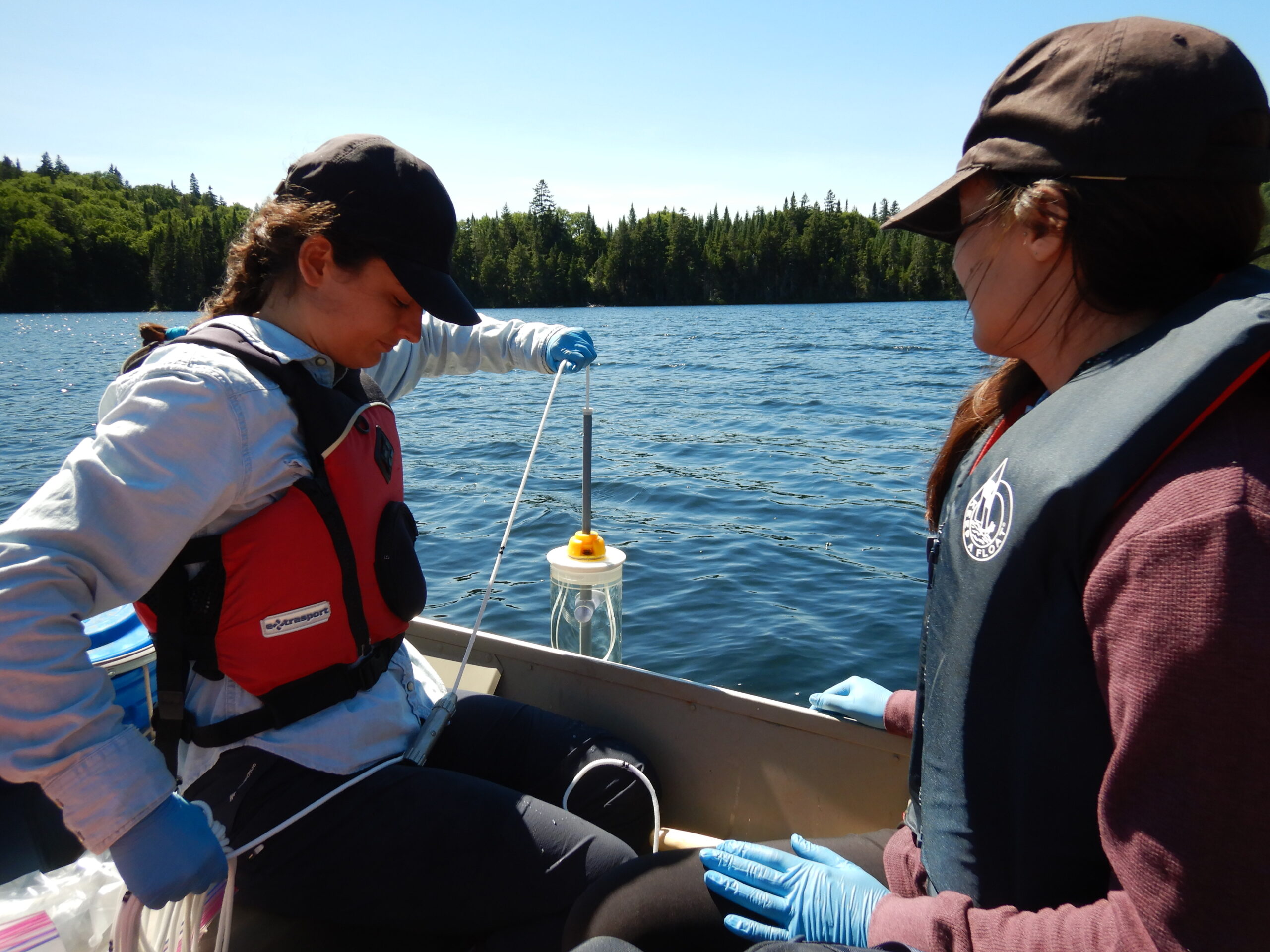
Our team specializes in collecting sediment, pore water, and water column samples, which provide important information about the biogeochemical processes taking place in aquatic environments. We also use lake buoys equipped with high-frequency sensors to monitor light, dissolved oxygen, and water temperature at various depths throughout the year. This allows us to gather detailed, long-term data on the environmental conditions in the water column and how they change over time.
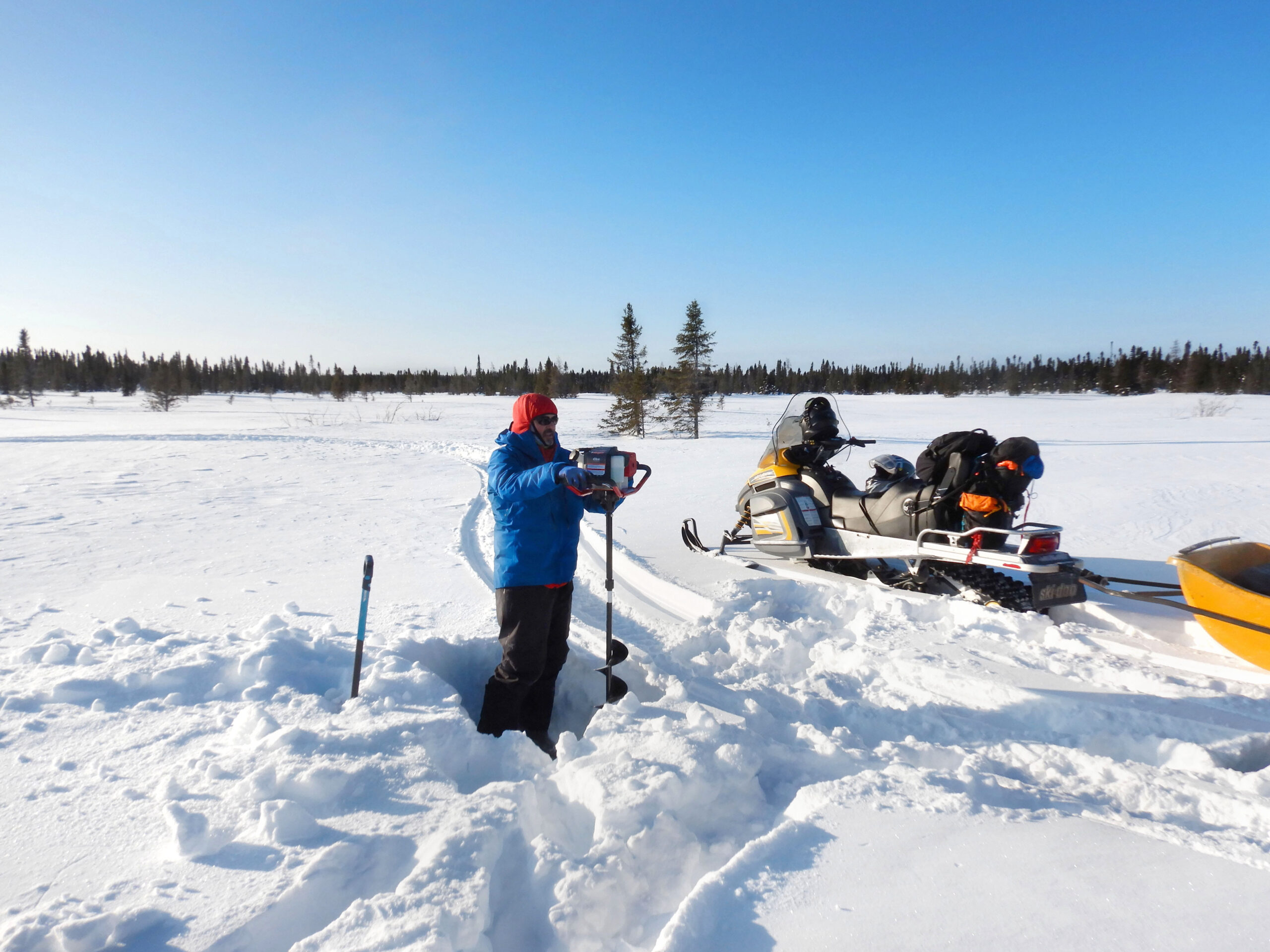
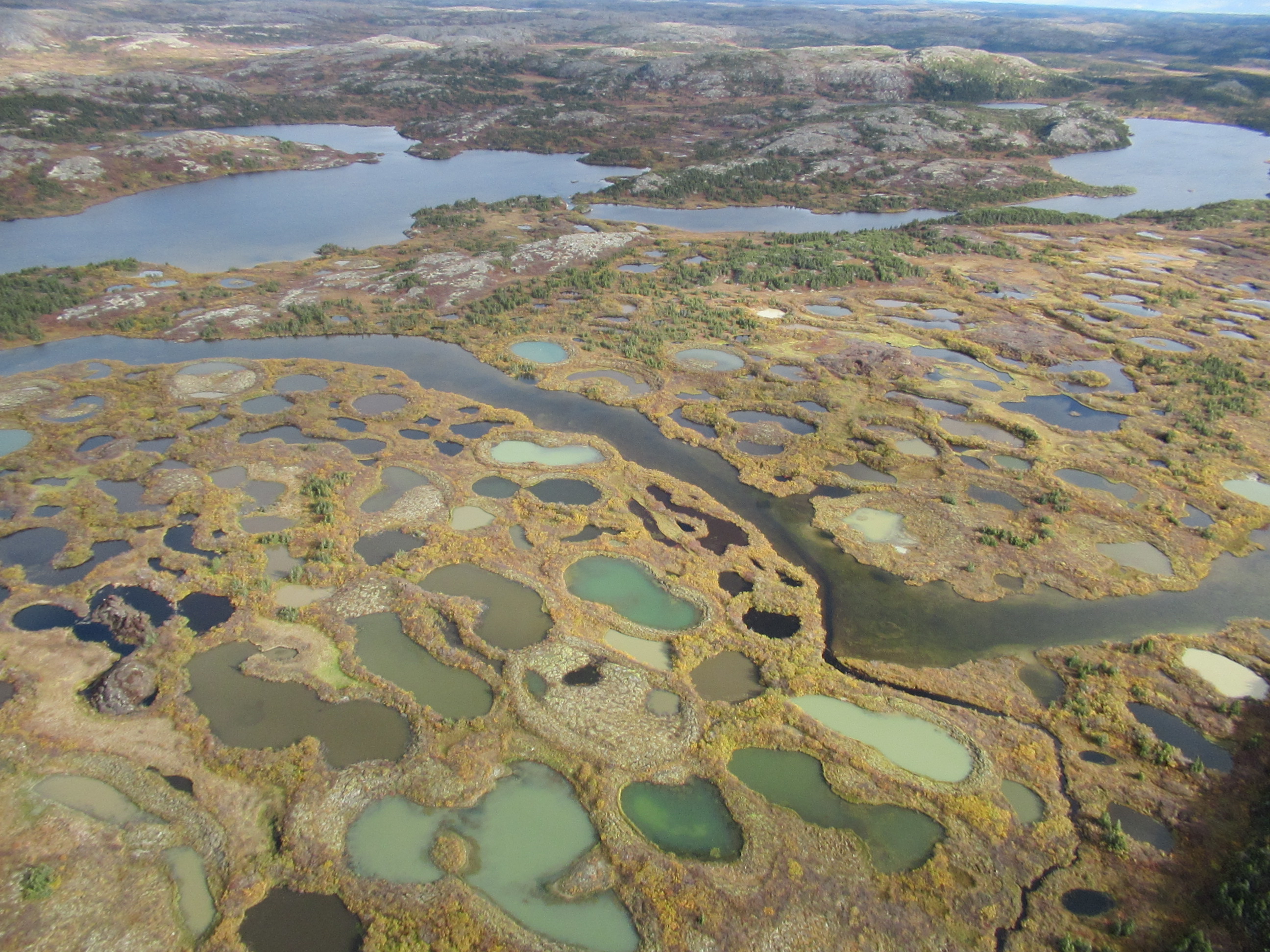
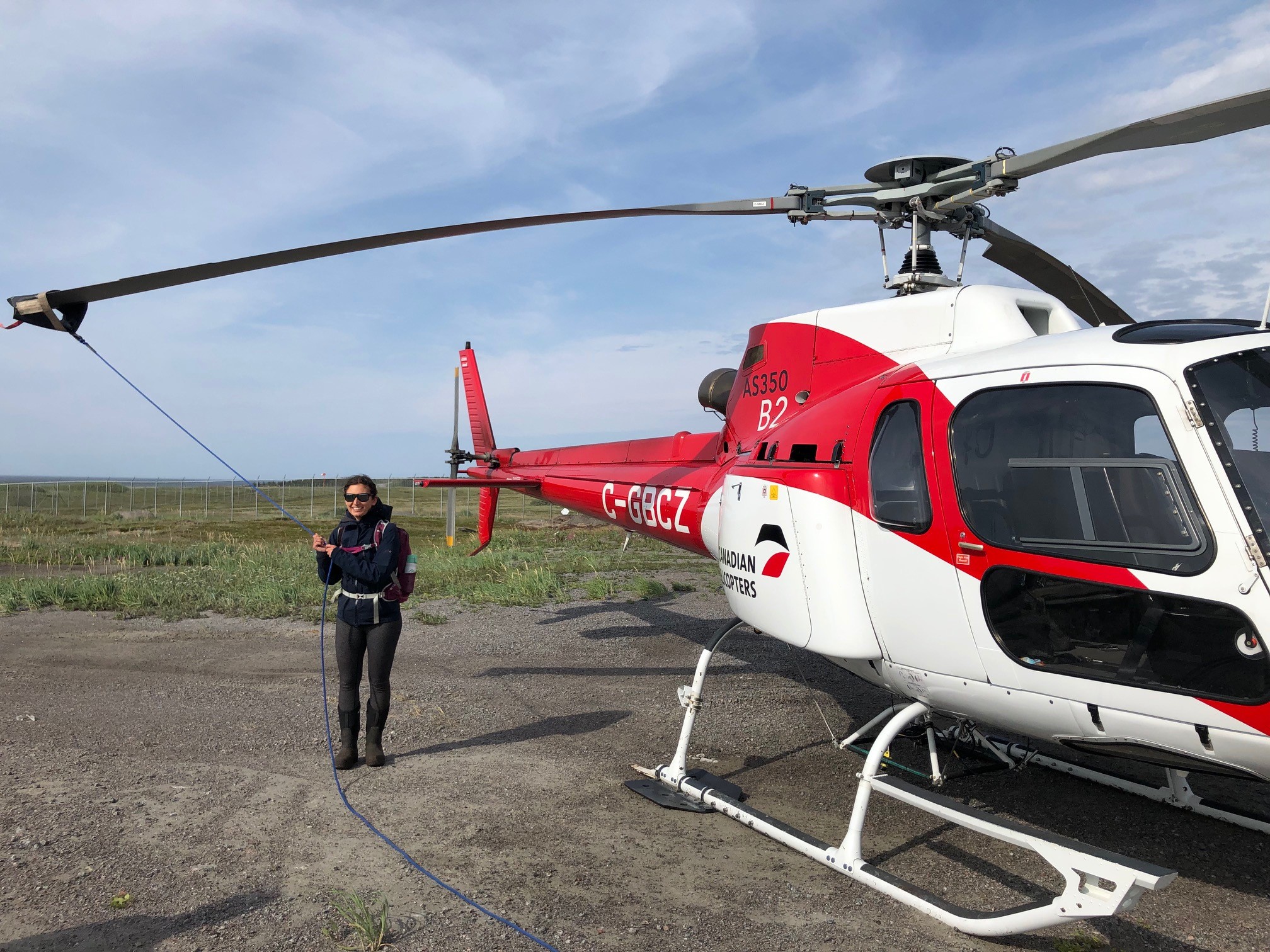
Our main field sites are located along a latitudinal transect covered by the network of stations of the Center for Northern Studies, from Lake Tantaré near Quebec City to Ward Hunt Island at the tip of Ellesmere Island in Nunavut. We use a combination of ATVs, boats, planes, and helicopters to access these remote field sites, which provide a wide range of contrasted aquatic environments for our research.
In situ measurements
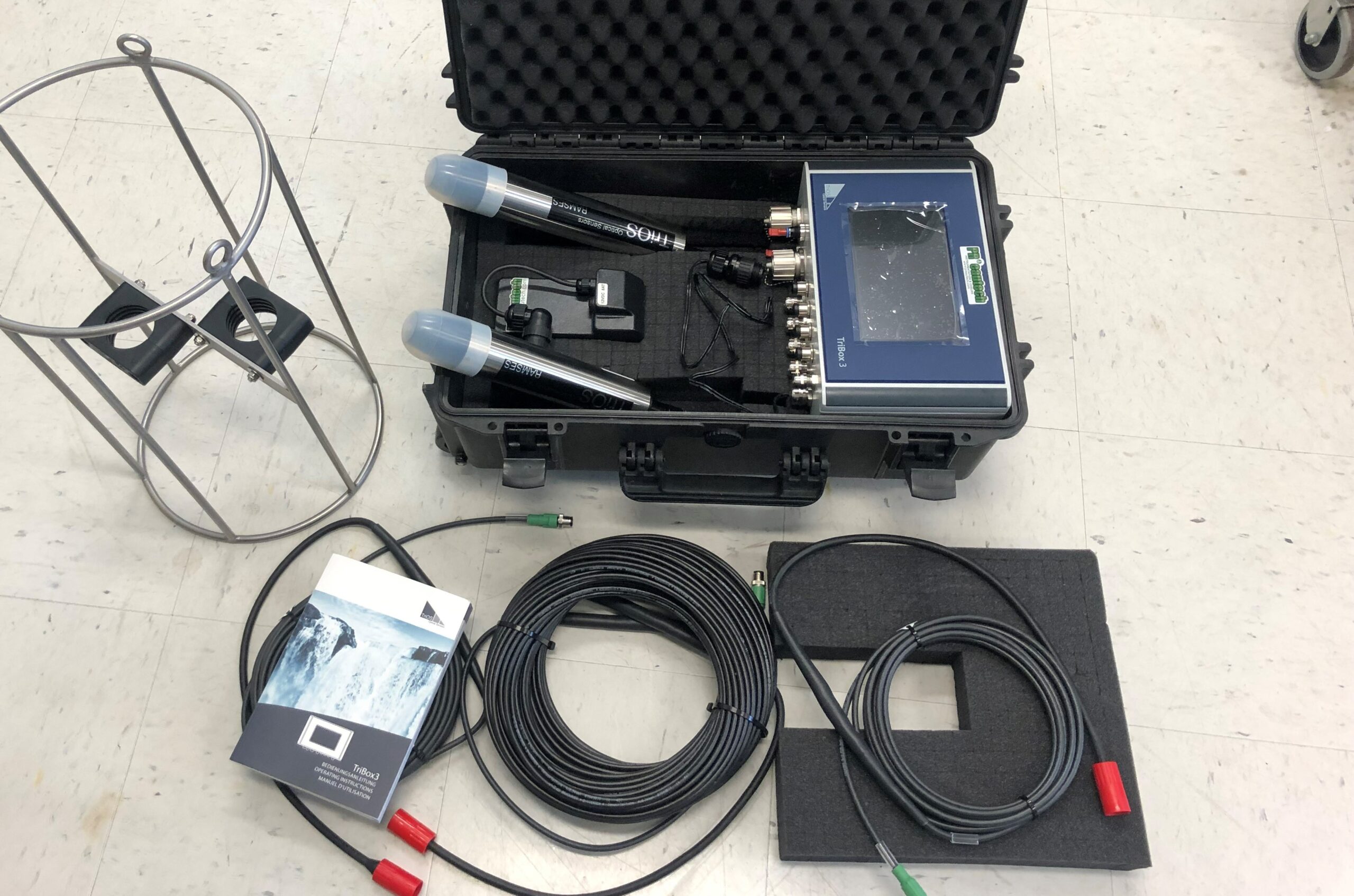
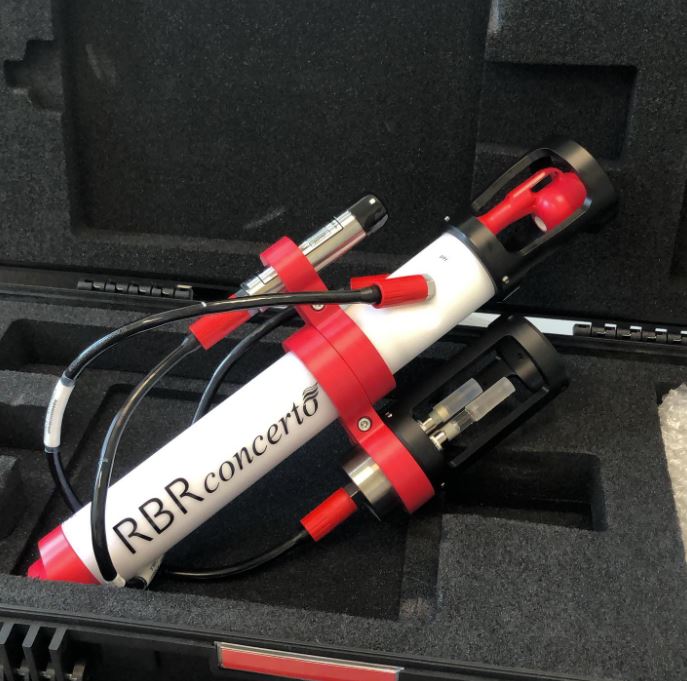
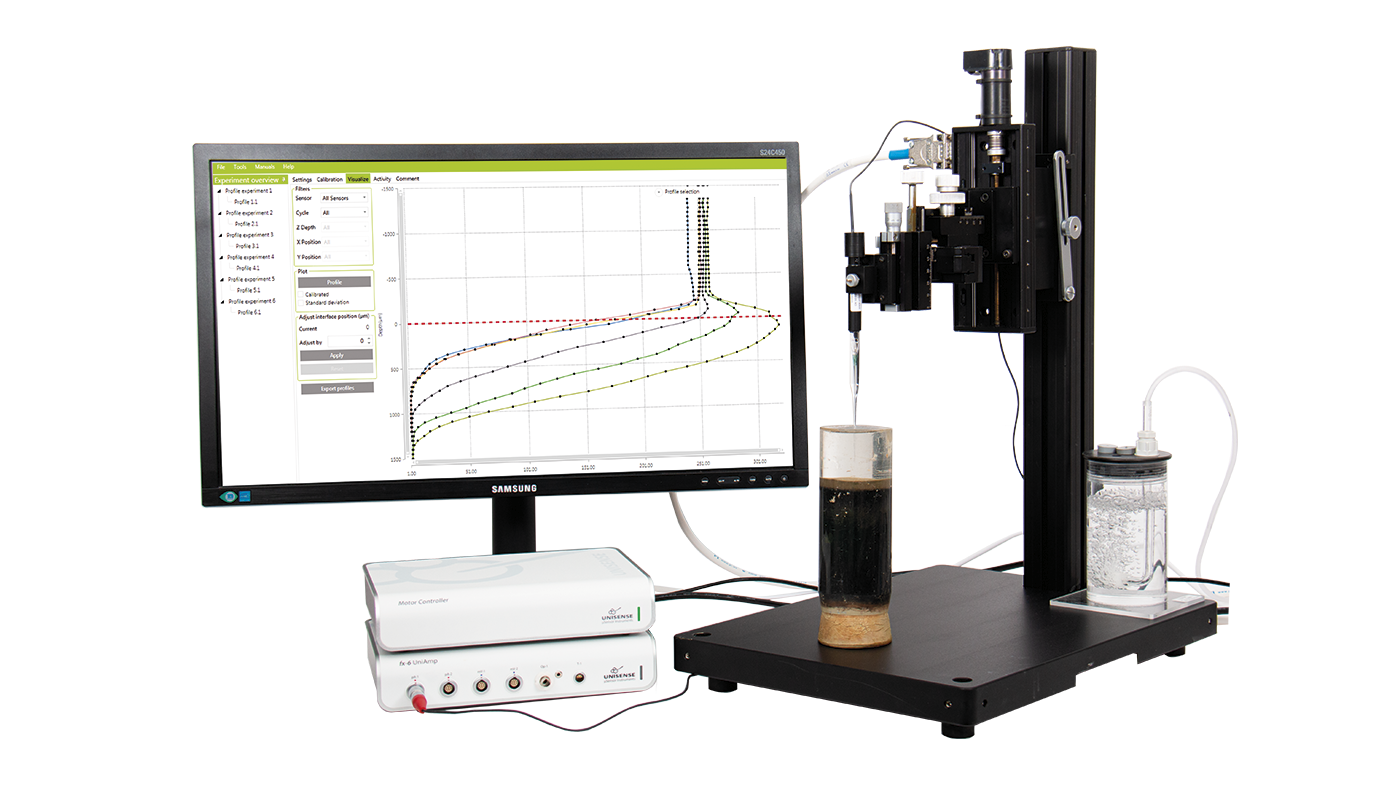
Many of the water quality parameters that we study can only be accurately measured in situ, that is, directly in the field. To do this, we use advanced analytical instruments that are designed to be portable, rugged, and autonomous. These instruments allow us to collect high-quality data on a wide range of parameters, such as dissolved oxygen, pH, temperature, and nutrient concentrations, in real-time and under a variety of environmental conditions.
By combining in situ measurements with laboratory analysis of water and sediment samples, we can gain a more complete understanding of the biogeochemical processes that control water quality and the impacts of environmental changes on aquatic ecosystems