See the lab's latest news here.
July 2026
Two Field Campaigns, Two Contrasting Lakes!
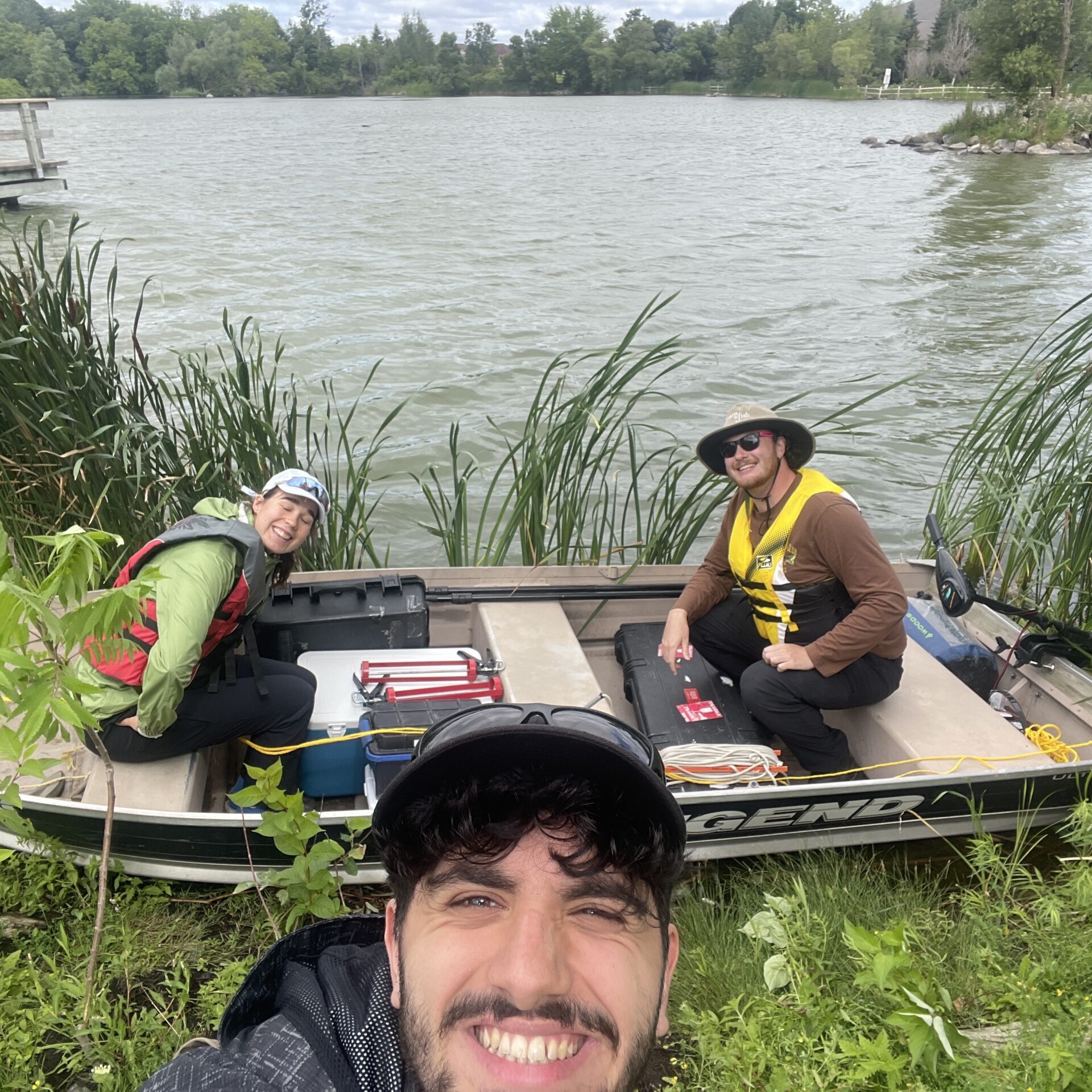
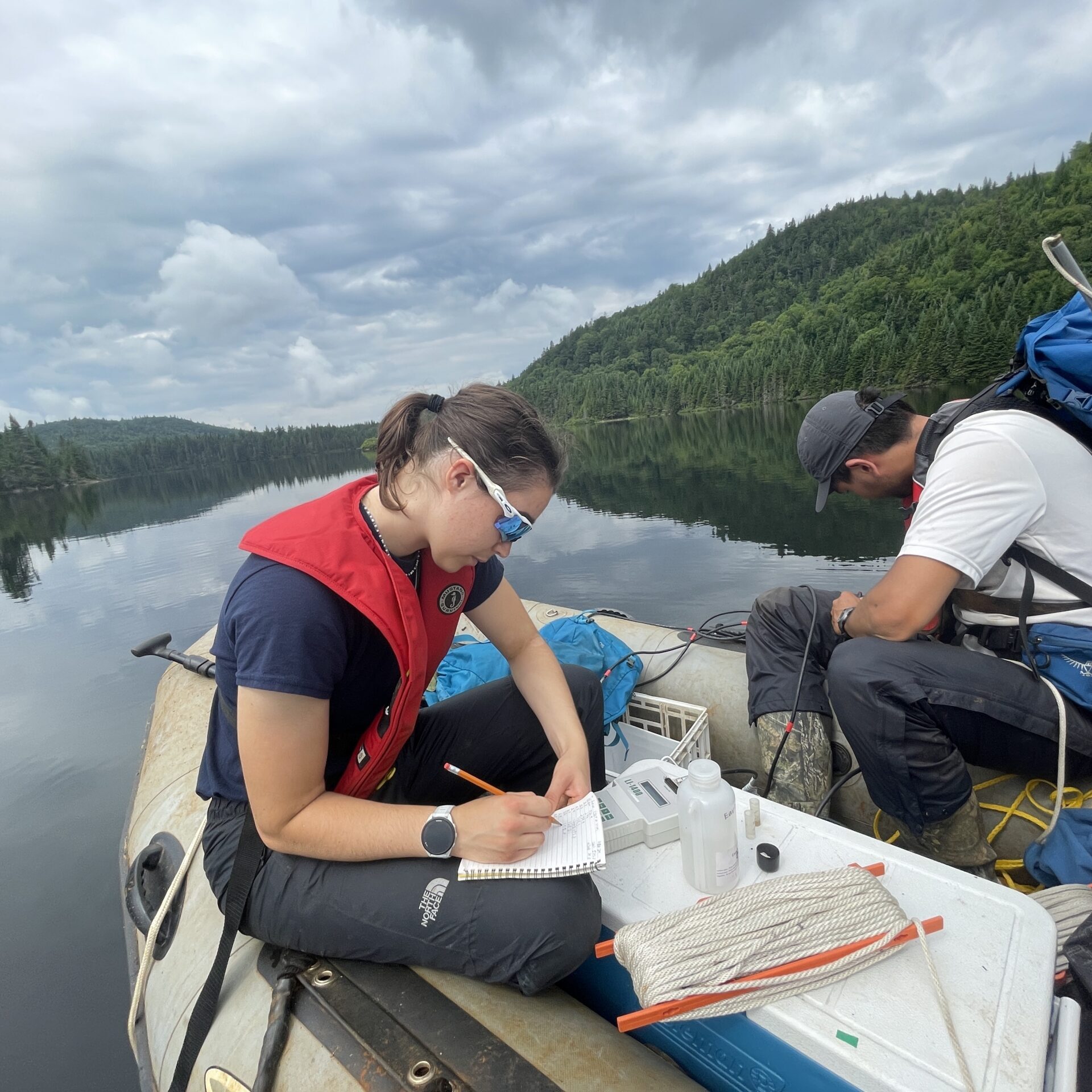
At the end of July, Santiago Marecque and Inès Bosse-Thompson travelled to Ontario to sample Swan Lake, a highly eutrophic lake with abundant algal growth, alongside their colleague from Trent University.
They then joined Félix Cloutier-Artiwat at Lake Tantaré, near Québec City. At the opposite end of the spectrum, Tantaré is an oligotrophic lake that is largely isolated from human activities.
This fieldwork is part of Santiago’s master’s project, which investigates the mobility of critical metals, including rare earth elements, across lakes in Québec characterized by different levels of organic productivity (from algae-dominated systems to lakes where organic matter is primarily derived from terrestrial sources).
July 2026
Summer Fieldwork in Nunavik: A Look Back
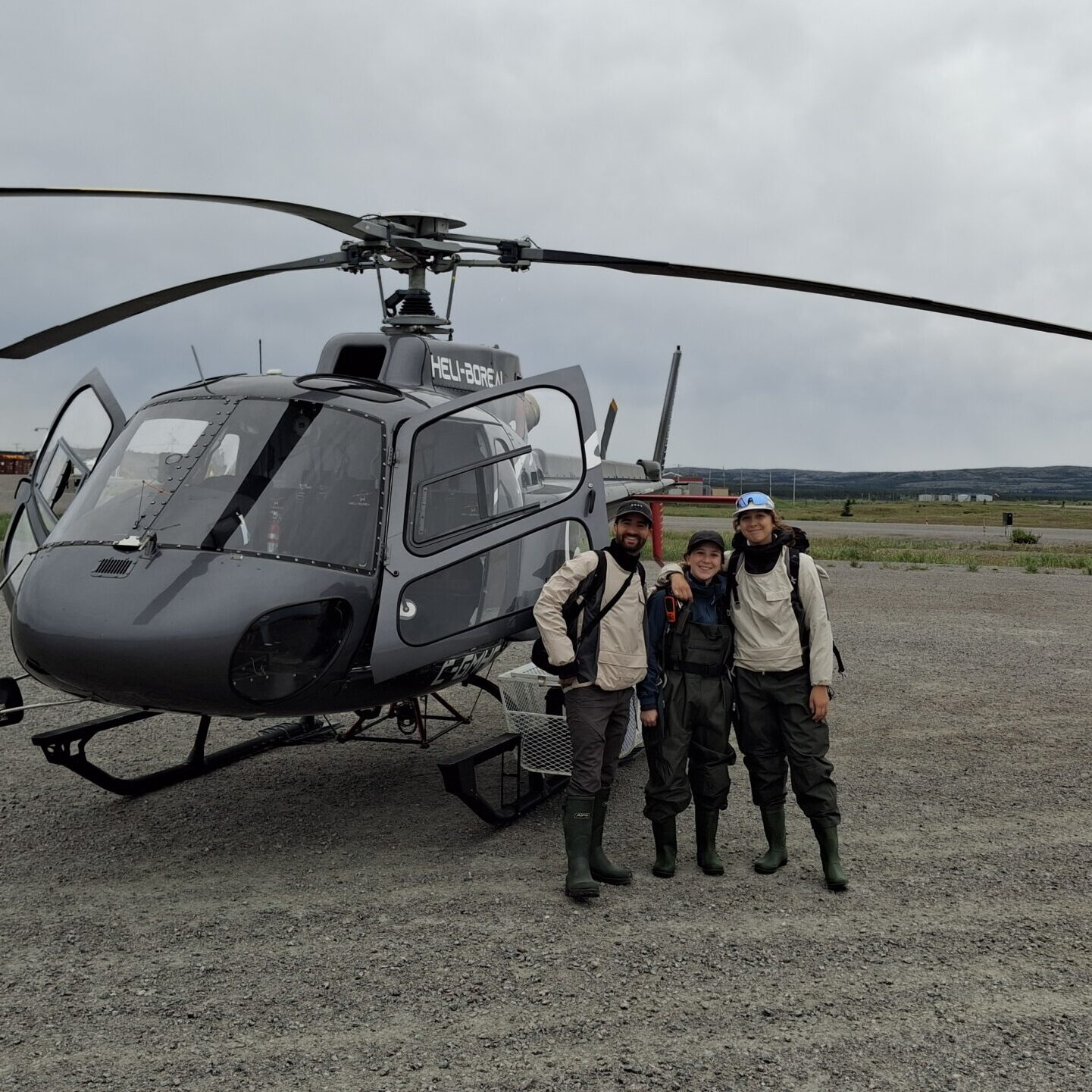
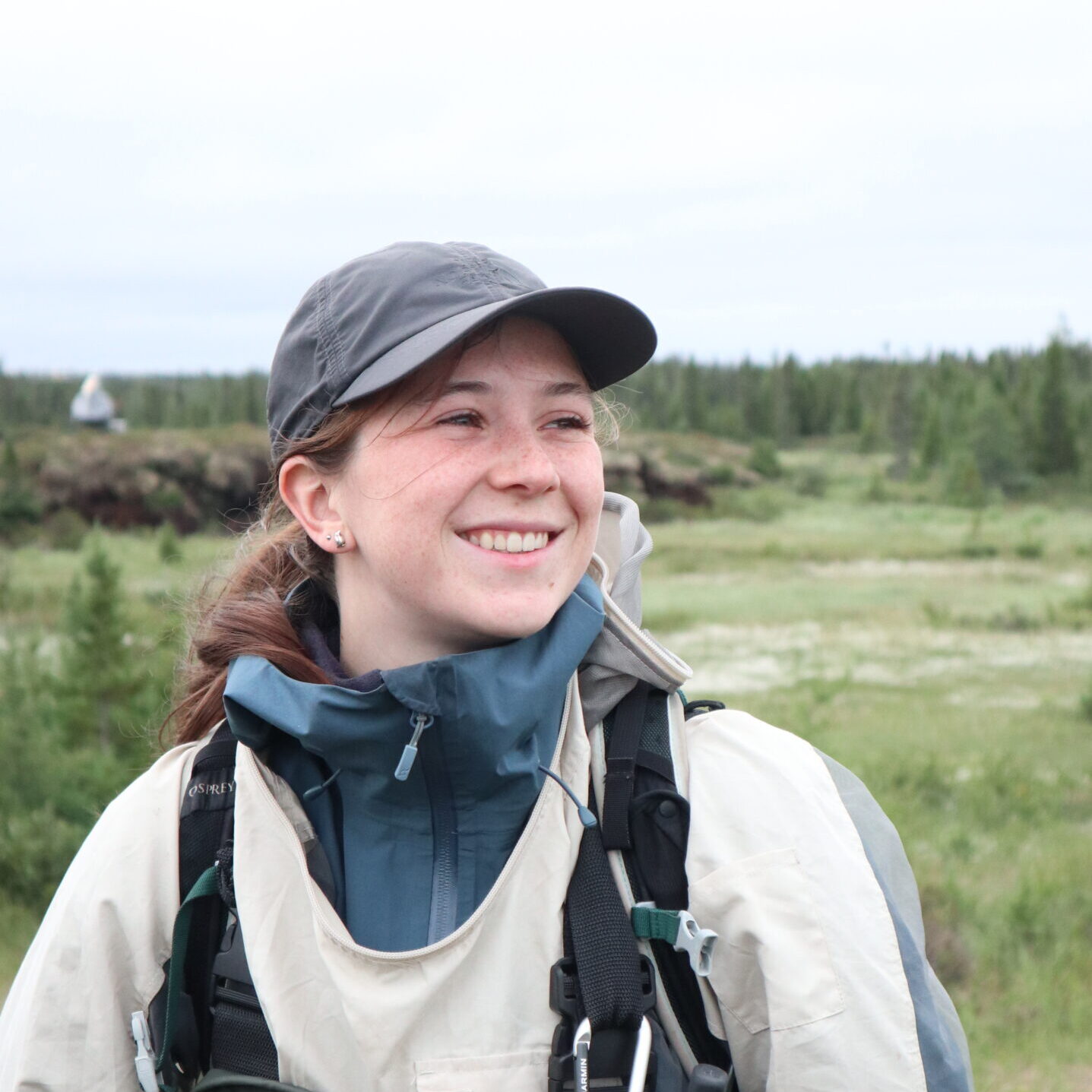
In July, Méliane Renaud, Pedro Freitas, and Margaux Laville visited the Whapmagoostui–Kuujjuarapik Research Station of the Centre for Northern Studies (CEN).
The team sampled thermokarst ponds, the Sasapimakwananistikw River by helicopter, and the Great Whale River by boat with their guide, Thomas Shem Sr.
Battling swarms of mosquitoes and black flies and wading through muddy peatlands, the team collected water samples for the analysis of organic colloids, as well as natural and contaminated sediments. These samples will contribute to Méliane’s master’s research, among other projects.
And, of course, they even made time for a dip in the icy waters of Hudson Bay! What a field season!

July 2026
2026 Goldschmidt Conference !
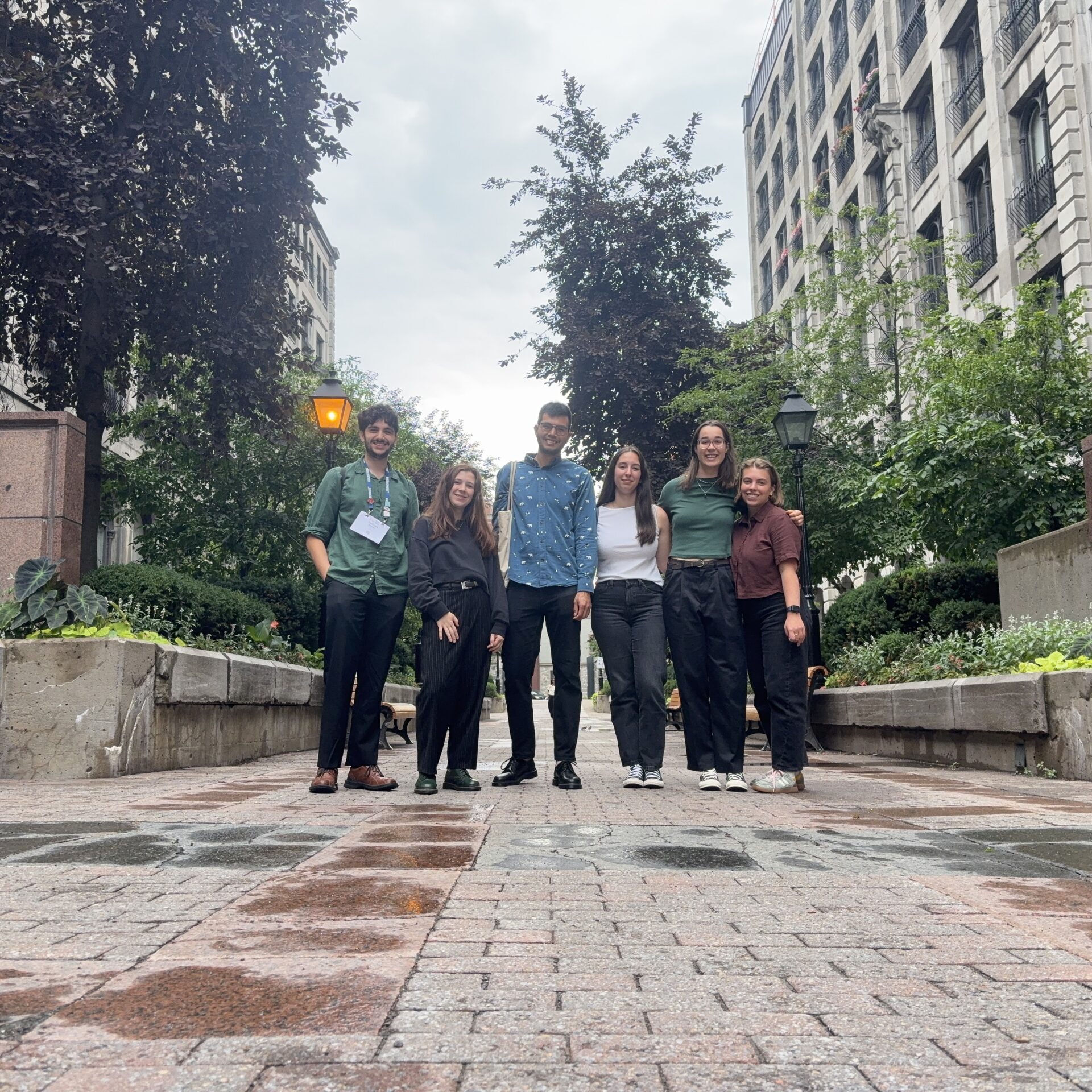
Last week, our lab was well represented at the 2026 Goldschmidt Conference in Montréal. Méliane, Santiago, and Félix presented their research through engaging posters, while Florence gave an excellent talk on her PhD project. The team also enjoyed spending time together and exploring downtown Montréal. Congratulations to everyone on a great conference!
June 2026
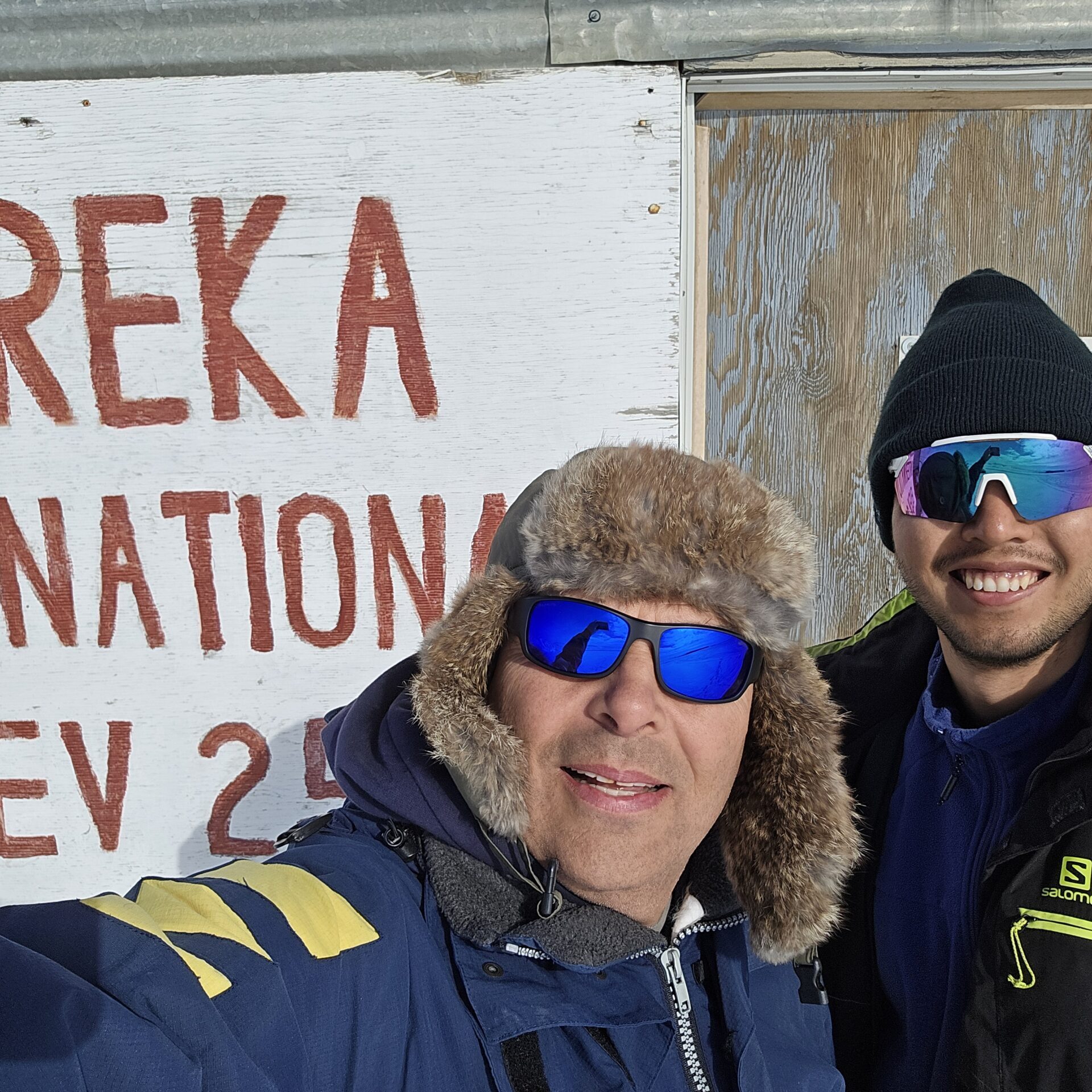
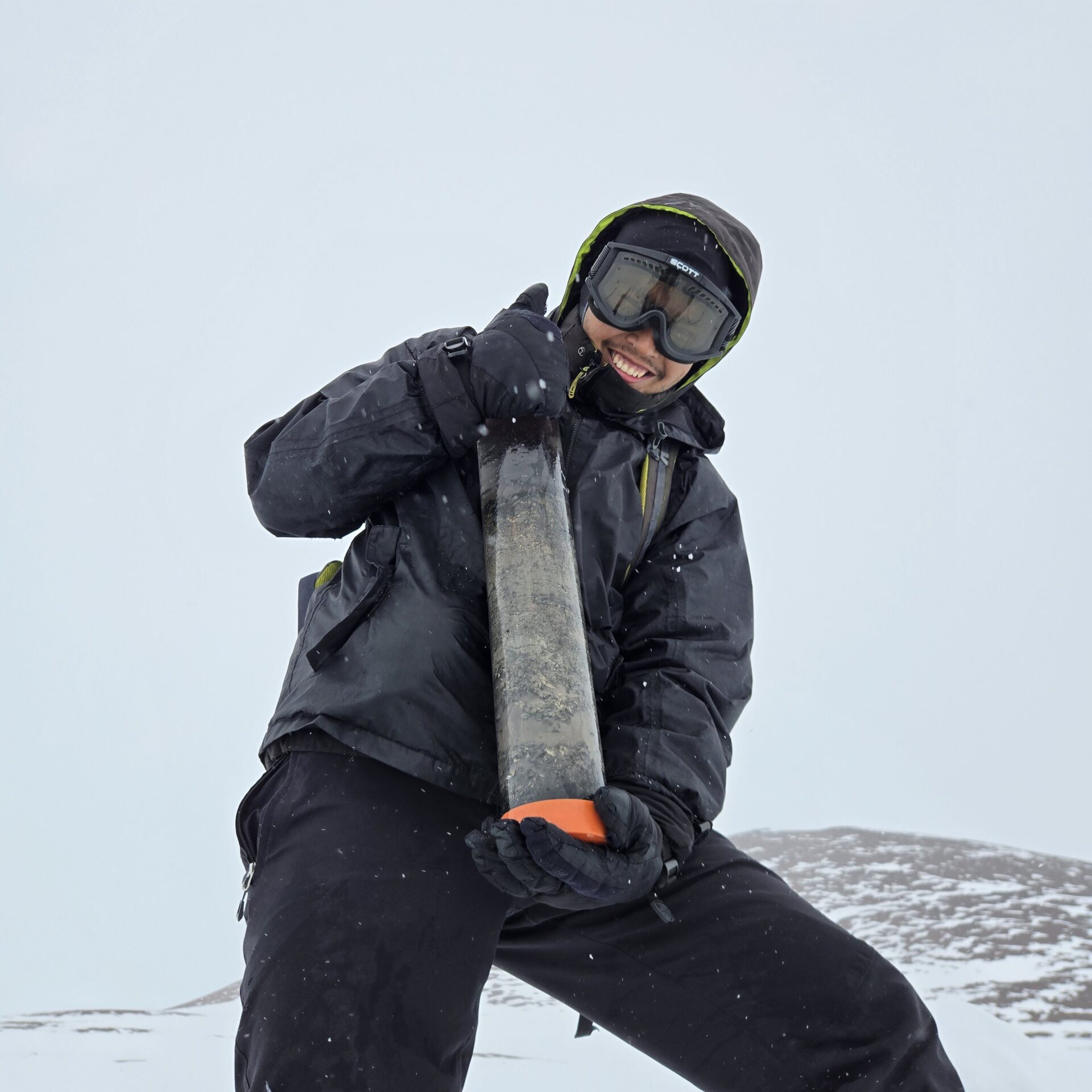
An insight into Ward Hunt fieldwork
June 2026
Preparing for fieldwork in Whapmagoostui and Kuujjuarapik
This July, our team, led by Méliane Renaud, will travel to the CEN research station in Whapmagoostui–Kuujjuarapik (55°15′ N, 77°45′ W), on the eastern coast of Hudson Bay, where the Cree community of Whapmagoostui and the Inuit community of Kuujjuarapik share the land.
The team will sample water at 11 sites, including the mouths of the Sasapimakwananisikw and Great Whale rivers and their mixing zone in Hudson Bay. These samples will be analyzed for arsenic, selenium, rare earth elements, organic carbon, and other water quality parameters as part of Méliane's M.Sc. project.

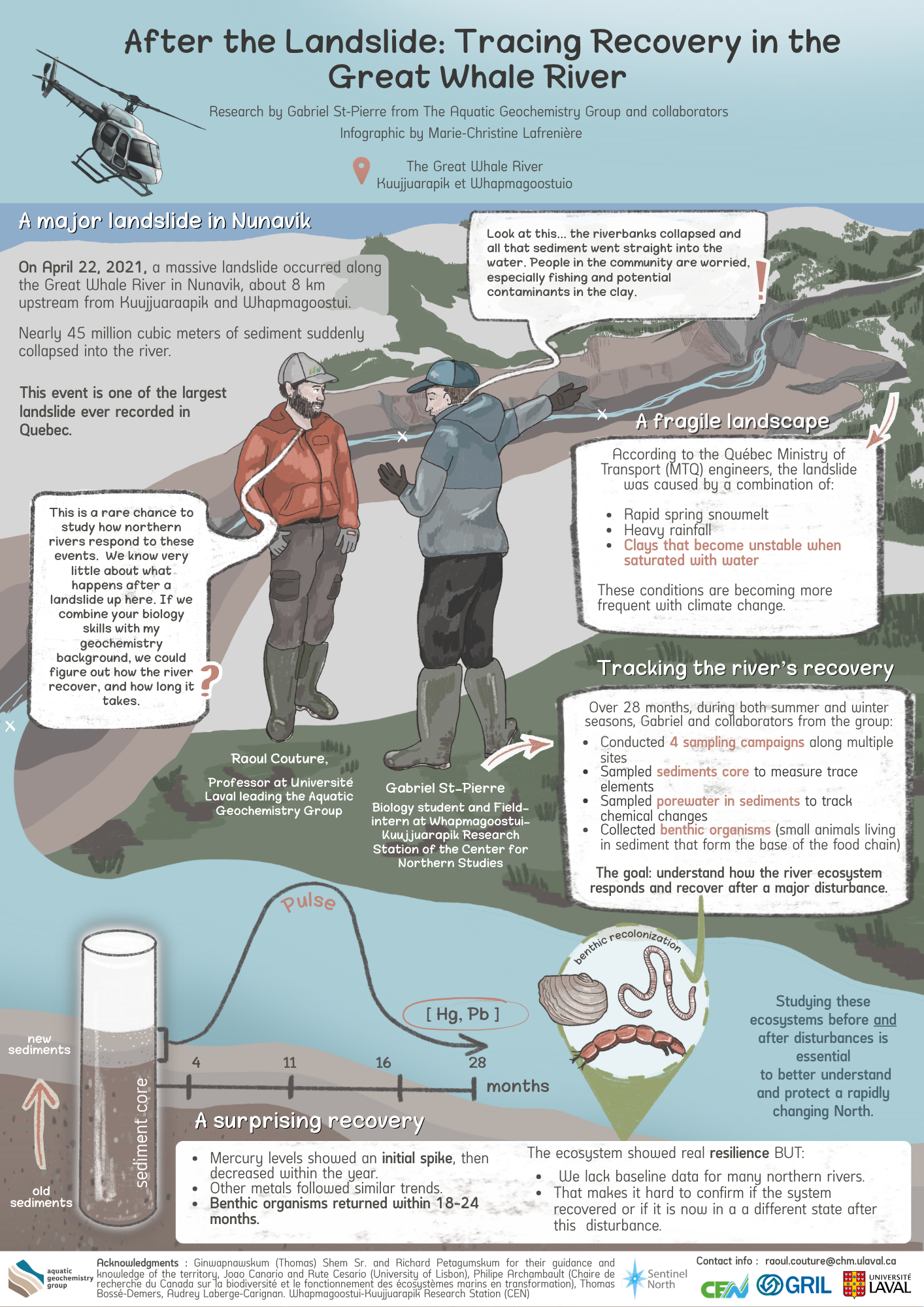
👆 Take a look at the Infographic of the study!
Her research investigates how colloids transport trace elements such as arsenic, selenium, and rare earth elements in northern watersheds undergoing permafrost thaw, providing new insights into the impacts of climate change on Arctic aquatic geochemistry.
June 2026
Our research in the Media !
Landslide in Nunavik: An Ecosystem Under Watch
A new feature from our lab is now available in ULaval Nouvelles!
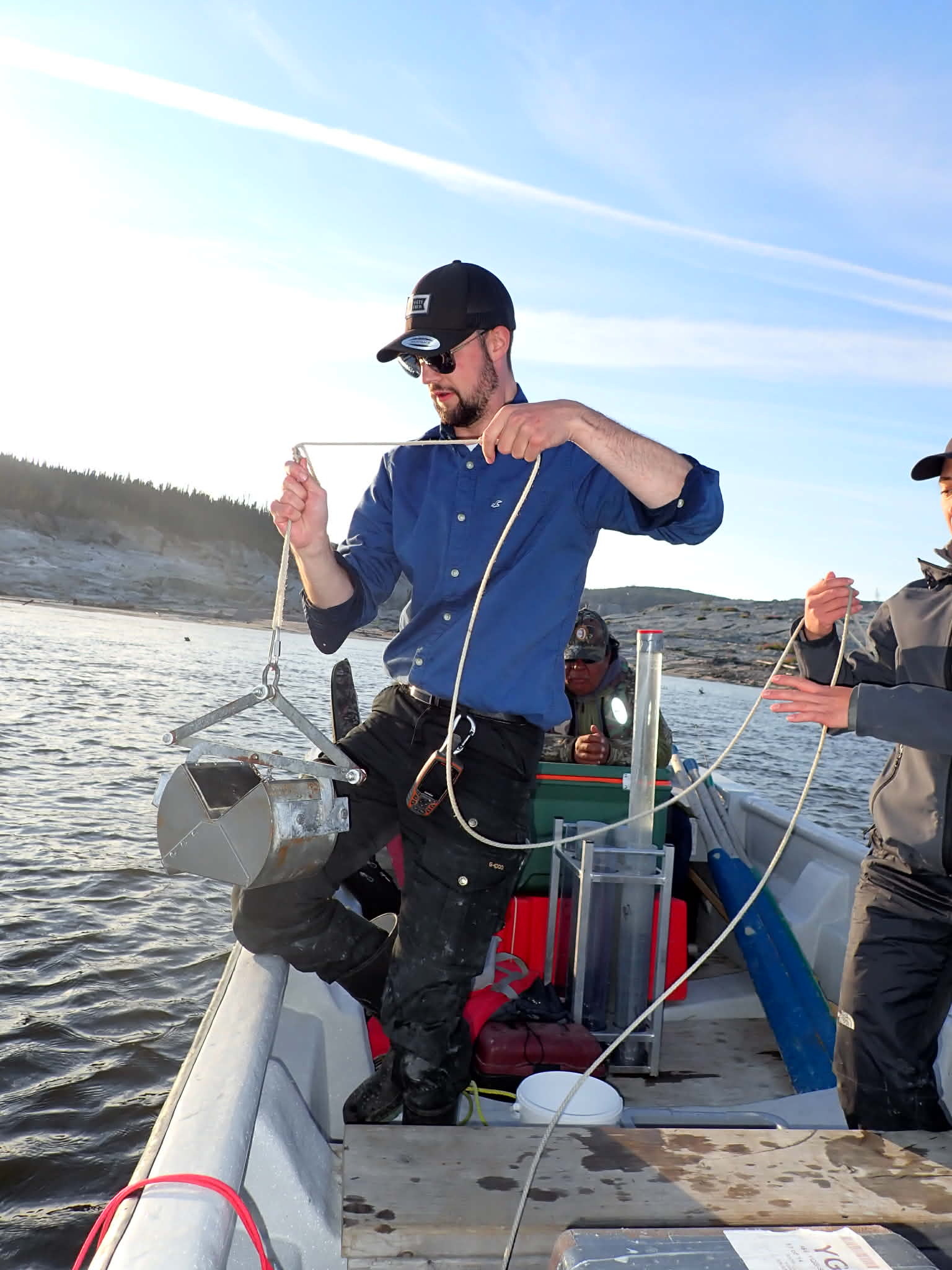
The article highlights Gabriel St-Pierre's (MSc) research on the recovery of mercury and lead concentrations, as well as benthic insect communities in the sediments of the Great Whale River.
His study investigates the ecological consequences of a major landslide that occurred upstream of Kuujjuarapik and Whapmagoostui in northern Québec, and examines the resilience of this Arctic ecosystem following this large-scale natural disturbance.
📄 The study was recently published in Open access in Environmental Research (Open Access).
👈 Take a look at the Infographic of the study!
May 2026
Fieldwork in Resolute Bay !
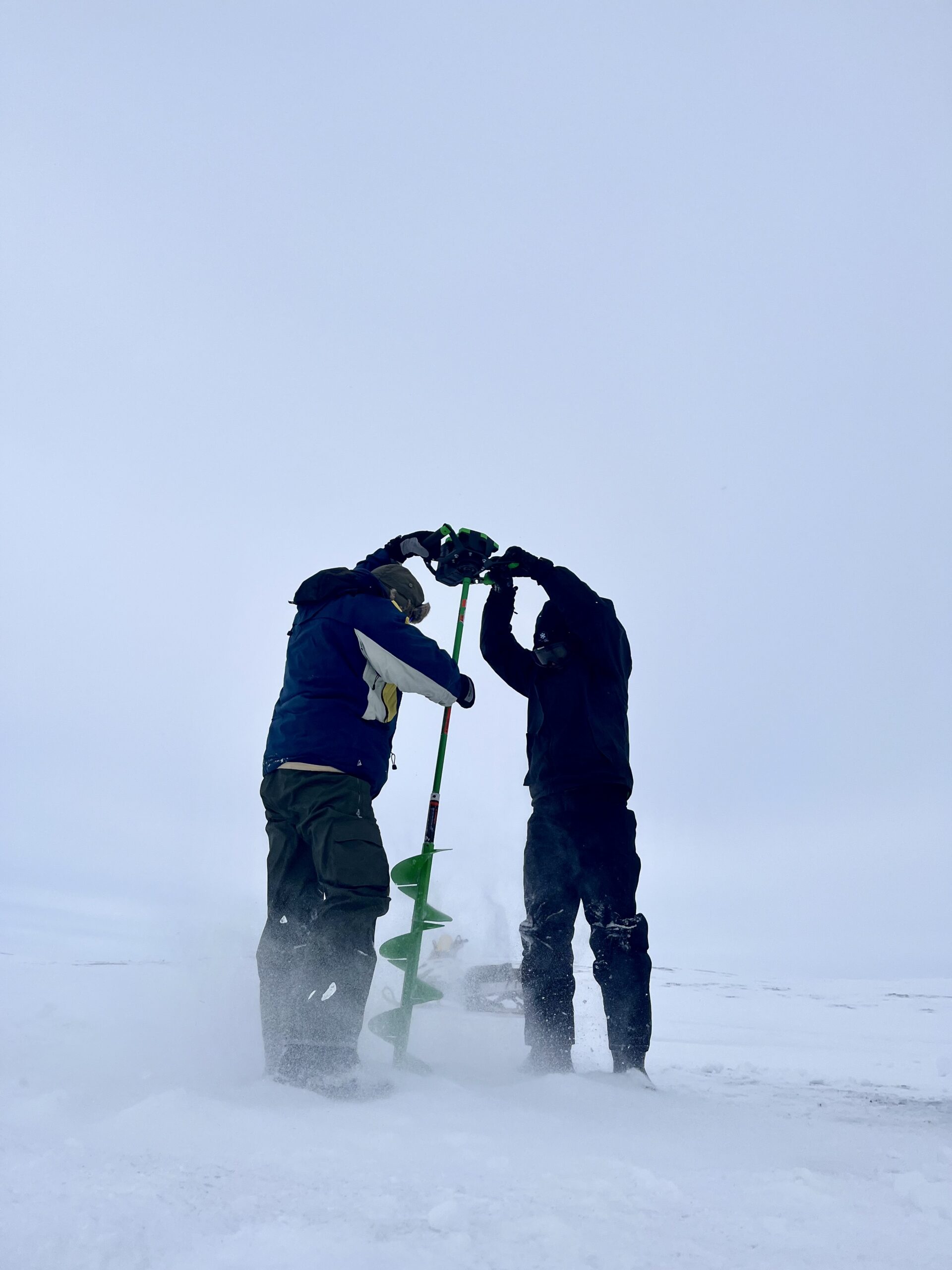
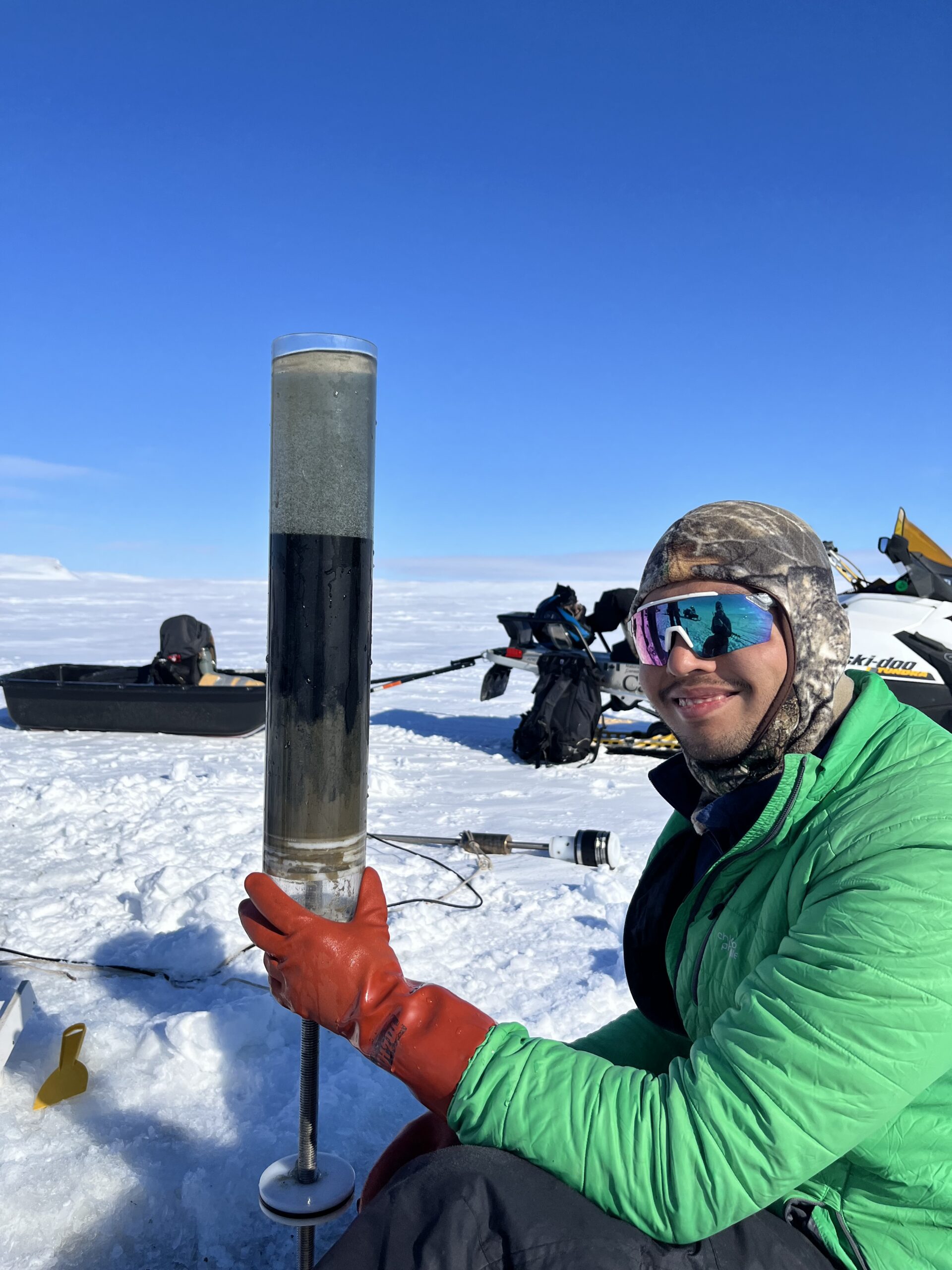
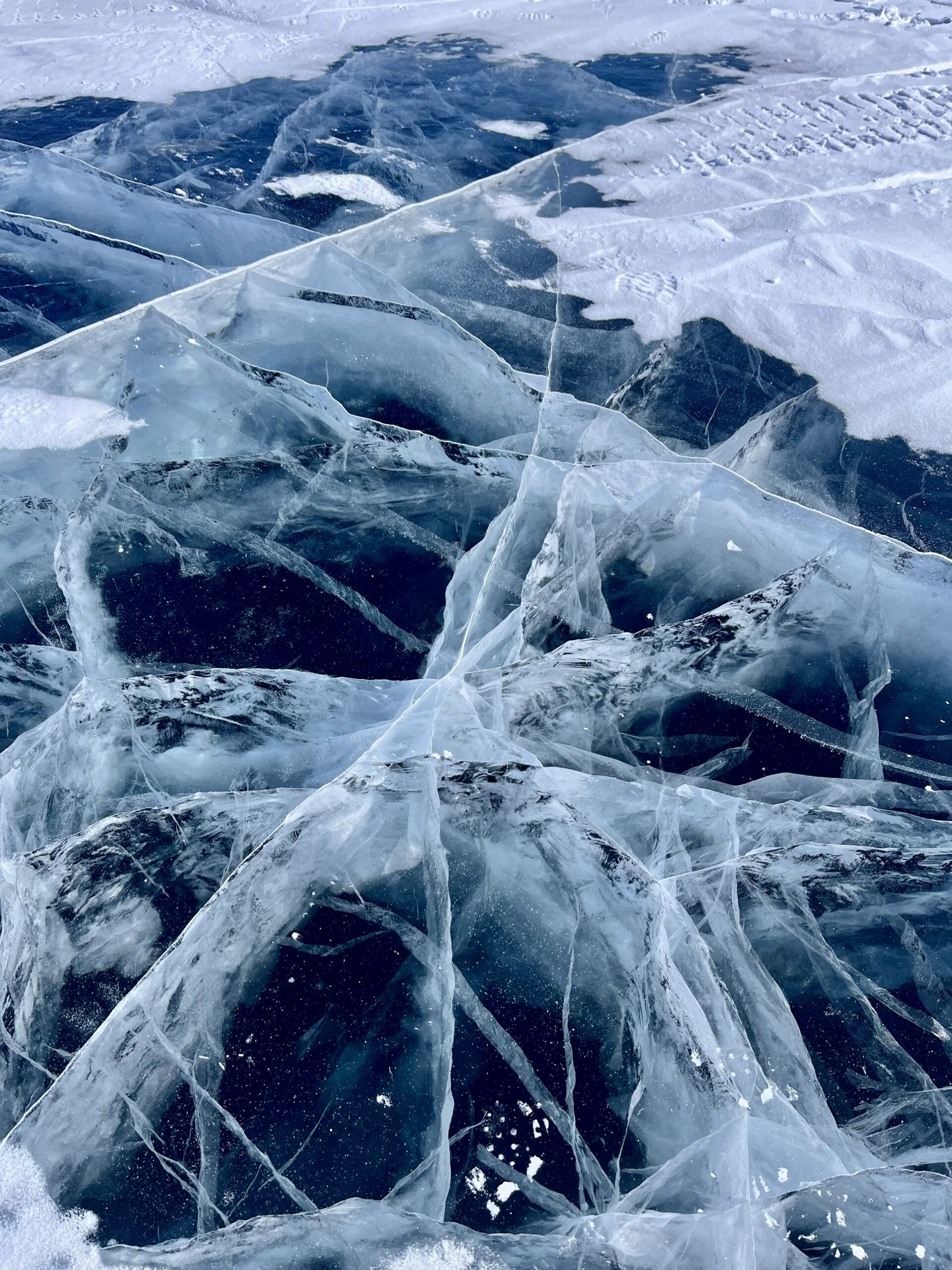
Last May, members of the lab travelled to Resolute Bay, Nunavut, Canada, to sample Small Lake as part of the FROST project and Félix Cloutier-Artiwat's PhD research on the sulfur cycle in High Arctic lakes. With 2.2 m of ice covering the lake, the team drilled multiple holes through the ice to collect water, sediment, and biological samples.
The team was joined by local collaborator Debbie Iqaluk, who caught all the Arctic char needed to support FROST's research on how warmer winters are transforming Arctic lake ecosystems and the cultural practices that depend on them.
A heartfelt thank you to the Polar Continental Shelf Program (PCSP) for their outstanding logistical support, accommodations, and field resources, which made this campaign possible.
Congratulations to the field team for a successful sampling campaign: Félix Cloutier-Artiwat, Marie-Christine Lafrenière, Prof. Catherine Girard, and Denis Sarazin (Centre for Northern Studies – CEN).
April 2026
Congratulations Félix!
Congratulations to Félix Cloutier-Artiwat, who has received an NSERC Canada PhD Scholarship! His research project, which focuses on the processes that control the speciation of sulfur in High-Arctic lakes, will contribute to a better understanding of how the sulfur cycle influences other biogochemical cycles and the distribution of microorganisms in these ecosytems, which differ from temperate lakes.
Mars 2026
Congratulations Santiago!
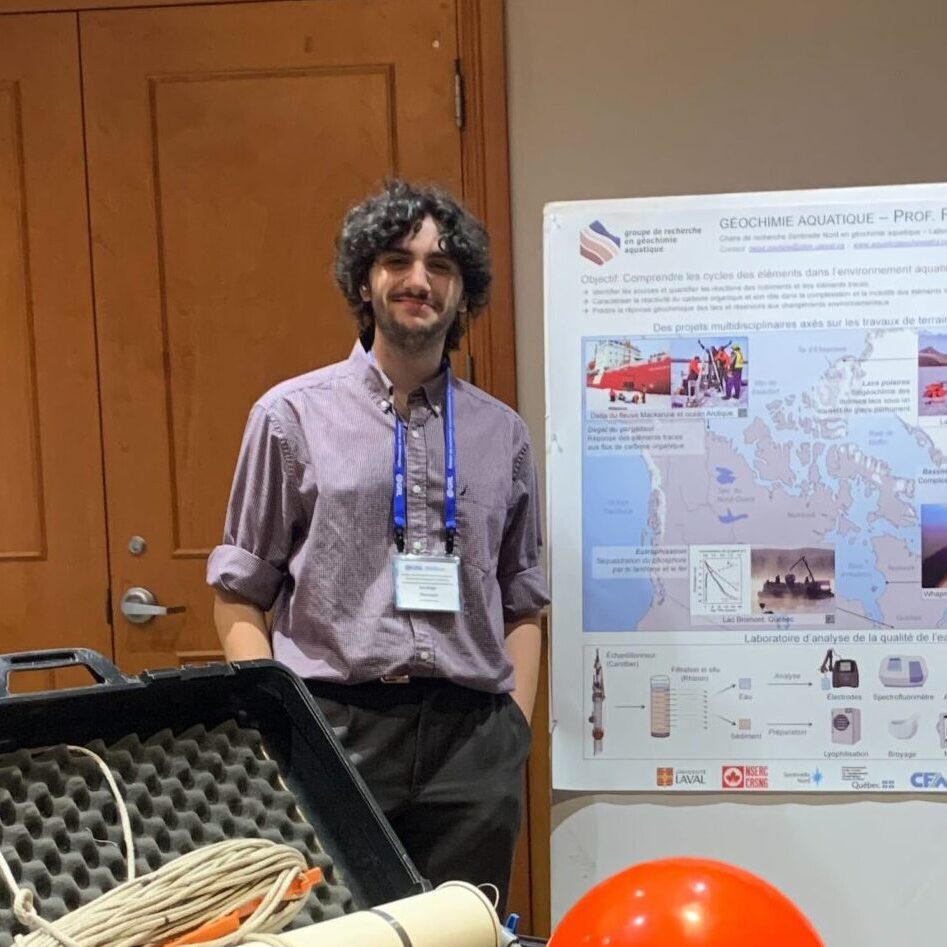
Congratulations to Santiago Mareque, a Master’s student in Chemistry, who has received an NSERC Canada Graduate Scholarship! His research project, Dynamics of rare earth elements along a productivity gradient in lake sediments, will contribute to a better understanding of how rare earth elements behave across lake ecosystems.
Mars 2026
Lakes as Life-Sized Test Tubes
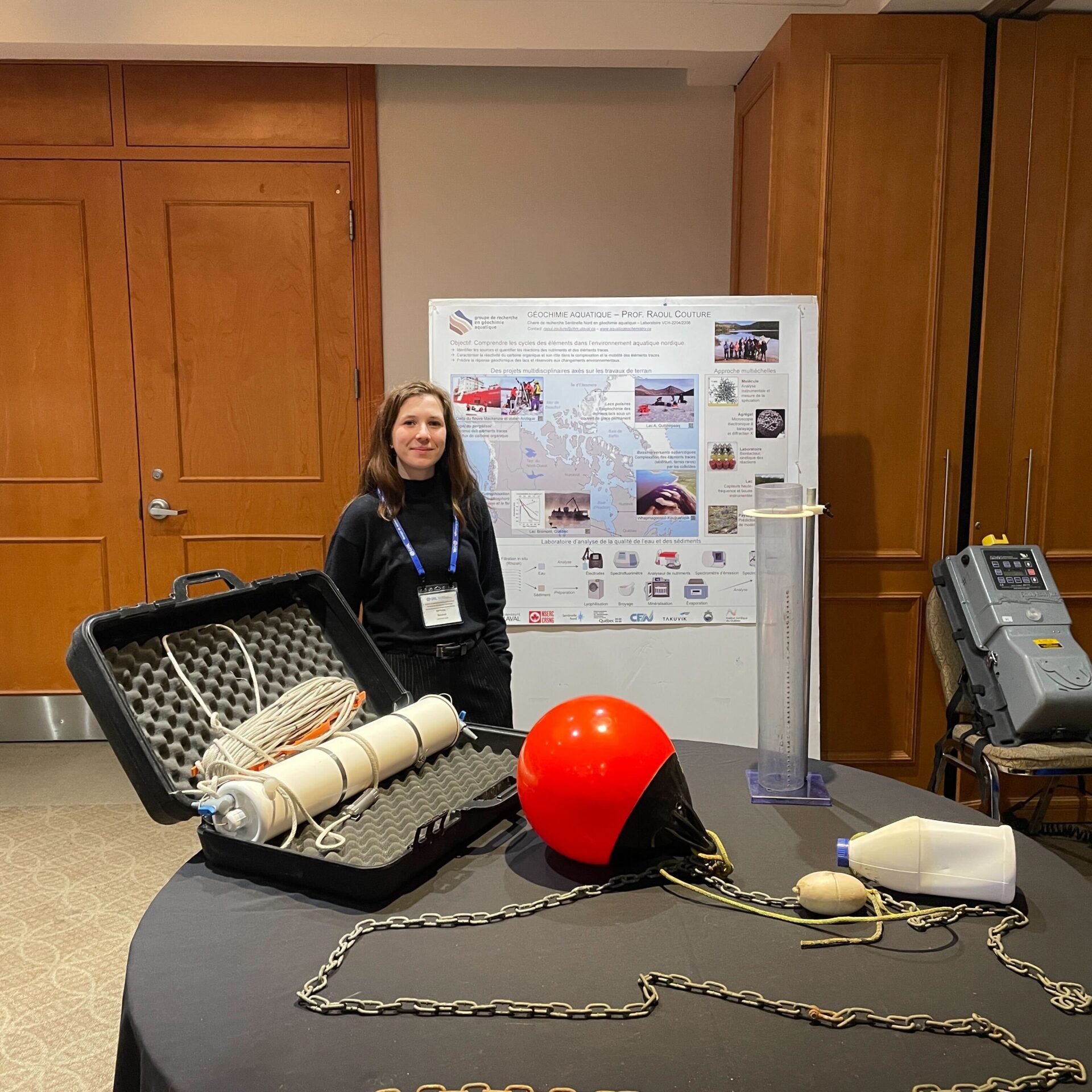
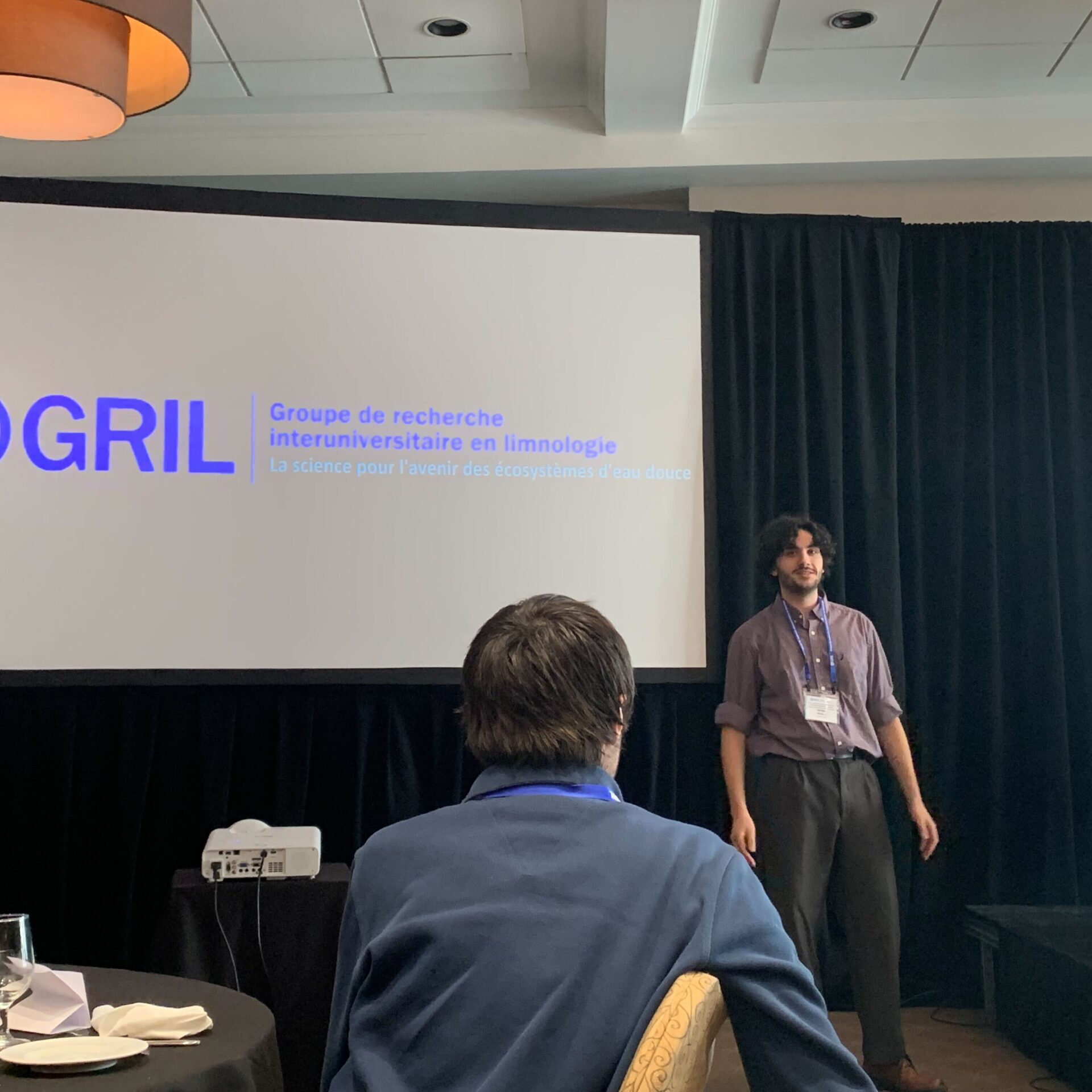
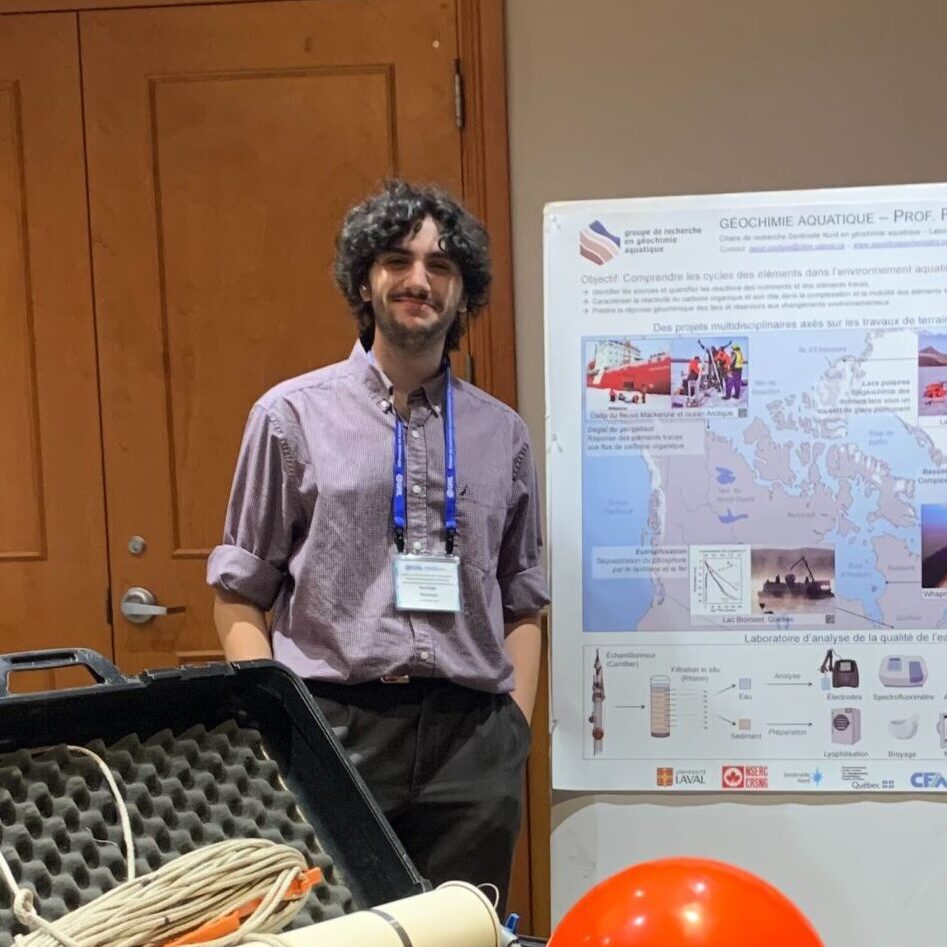
Our team took part in the GRIL Public Outreach Evening hosted by the Groupe de recherche interuniversitaire en limnologie (GRIL) in Quebec City on March 19.
During the event, Méliane and Santiago presented an engaging and hands-on activity titled “Lakes as Life-Sized Test Tubes.” Their interactive station invited the public to discover how lakes can serve as natural laboratories for understanding complex environmental processes.
Santiago also shared his research in a lively 180-second science talk titled “Which Lake Would Be Best for Throwing My iPhone Into?”. Through this creative and thought-provoking presentation, he explained how the quality of organic matter in lakes can influence the speciation of rare earth elements, critical metals widely used in digital technologies such as smartphones.
By connecting lake chemistry to everyday objects like iPhones, the presentation offered a compelling example of how limnology helps us better understand the environmental behavior of the critical metals that power modern life.
